Aadhaar Card Set for Major Redesign: Only Photo and QR Code to Appear on New Card

Key Takeaways
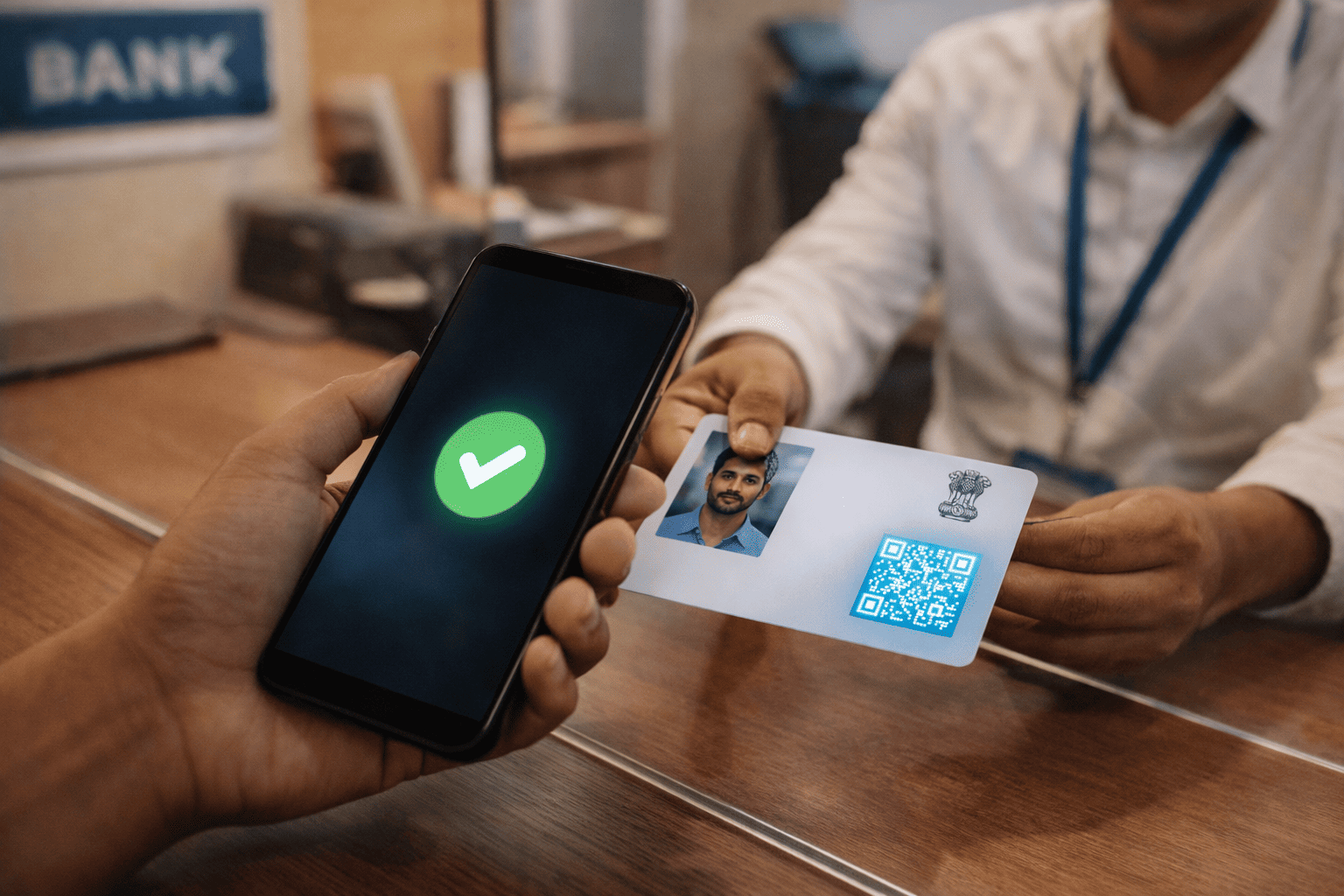
UIDAI is preparing a major Aadhaar card redesign. The new card will display only the holder's photograph and a secure QR code.
Personal details like name, address, date of birth, and Aadhaar number will no longer be printed on the physical card.
Verification will shift to QR code scanning through the official Aadhaar app or authorised systems. No more photocopies needed.
The change targets rising cases of SIM fraud, identity theft, and AePS fraud linked to misuse of Aadhaar photocopies.
As of February 2026, no official launch date has been announced. The proposal is still under discussion at UIDAI.
The Unique Identification Authority of India (UIDAI) is working on a completely redesigned Aadhaar card that will no longer show your name, address, date of birth, or even your 12-digit Aadhaar number on the front. Instead, the new card will only display your photograph and a secure, encrypted QR code.
What Went Wrong With the Current Design?
Think about how many times you've handed over a photocopy of your Aadhaar card. Banks, telecom shops, hotels, coaching centres, landlords. That photocopy sits in a file somewhere with your full name, address, and Aadhaar number printed right on it. Anyone with access to that file can misuse your information.
This has led to a growing list of crimes tied directly to Aadhaar data:
- SIM card fraud using stolen Aadhaar details
- Unauthorised loans taken in someone else's name
- AePS fraud, where criminals exploit Aadhaar-linked payment systems
- Identity theft through leaked or stolen photocopies
So What Will the New Card Actually Show?
The proposed design is minimal. Here's a quick comparison:
| Feature | Current Aadhaar Card | New Aadhaar Card (Proposed) |
|---|---|---|
| Photograph | Yes | Yes |
| Name | Printed on card | Hidden (in QR code only) |
| Address | Printed on card | Hidden (in QR code only) |
| Date of Birth | Printed on card | Hidden (in QR code only) |
| Aadhaar Number | Printed on card | Hidden (in QR code only) |
| QR Code | Basic | Encrypted and secure |
| Government Emblem | Yes | Yes |
How Will Verification Work?
This is the big shift. Instead of reading details off the card or photocopying it, service providers will scan the QR code using the official Aadhaar app or an authorised verification system.
The process will look something like this:
- You present your Aadhaar card at a bank, telecom shop, or government office.
- The staff scans the QR code on your card.
- Your details appear on their screen, but only with your consent.
- No photocopy needed. No paper trail of your personal data floating around.
UIDAI is also introducing a concept called "selective credential sharing." This means you'll be able to choose exactly which details to share for a specific transaction. Need to verify your age? Share just your date of birth. Need to confirm your address? Share only that. You won't have to hand over your entire identity every time.
The New Aadhaar App Is Already Leading the Way
UIDAI recently launched a revamped version of its Aadhaar mobile app, and it already follows this new philosophy. Once you log in, the app shows only your photo and a QR code. Your personal details stay hidden unless you choose to reveal them.
The app also lets you:
- Update your mobile number and address without visiting an Aadhaar centre
- Lock and unlock your biometrics with a single tap
- Share your eKYC or QR code securely with service providers
This app is essentially a preview of how the entire Aadhaar system will work once the new card rolls out.
Will This Actually Work for Everyone?
That's the real question. India is a massive and diverse country, and not everyone has a smartphone or reliable internet access.
Some concerns that experts have flagged:
- Rural areas with low smartphone penetration may struggle with QR-based verification
- Elderly citizens who aren't comfortable with digital tools could face difficulties
- Quick ID checks at events, train stations, or roadside stops become harder when scanning is required
These are real challenges, and UIDAI will need to address them before a nationwide rollout makes sense.
When Is This Happening?
Here's the honest answer: nobody knows for sure yet.
As of February 2026, UIDAI has not announced an official launch date. The proposal has reportedly been in the works since late 2025, but it remains under discussion. There is no confirmed timeline.
That said, the direction is clear. Between the new Aadhaar app, the focus on QR-based verification, and the public statements from UIDAI's leadership, the shift toward a privacy-first Aadhaar card feels inevitable.
For now, your current Aadhaar card remains valid. But it might be a good idea to download the new Aadhaar app and get familiar with the QR-based system. The change is coming, and when it does, the days of handing out Aadhaar photocopies will finally be over.